Why Standard Operating Procedures Fail on the Shop Floor
Introduction
Every industrial organization invests significant time in creating Standard Operating Procedures (SOPs). Yet accidents, quality deviations, equipment failures, and operational inconsistencies continue to occur.
The problem isn't that SOPs don't exist. The problem is that they rarely reach the workforce in a way that is easy to understand, remember, and apply during day-to-day operations.

Documents Don't Create Competence
Most SOPs are delivered as lengthy PDFs, manuals, or printed documents.
While technically correct, they often fail to engage operators who work in dynamic industrial environments.
As a result:
Procedures are skipped
Critical steps are forgotten
Knowledge varies between shifts
Experience becomes more valuable than documentation
The Cost of Poor SOP Adoption
When procedures aren't followed consistently, organizations face:
Safety incidents
Production losses
Quality deviations
Increased downtime
Compliance issues
These aren't documentation problems—they're knowledge transfer problems.
Making SOPs Actionable
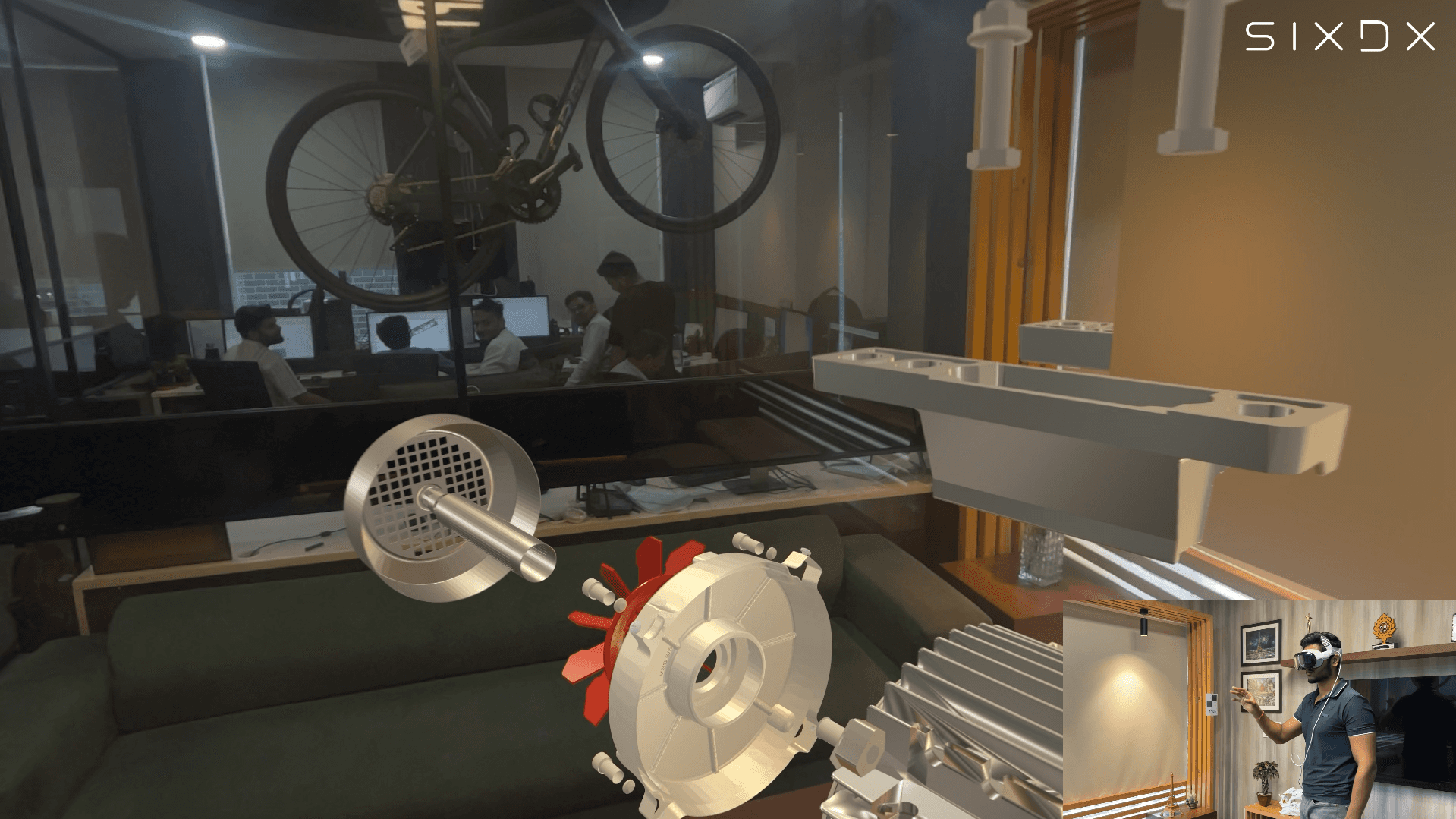
Modern industries are moving beyond static documents by converting SOPs into interactive learning experiences using animation, simulations, and visual workflows.
When people can see, understand, and practice procedures, execution becomes more consistent.
Conclusion
An SOP only creates value when it becomes part of everyday operations. Organizations that focus on how procedures are delivered—not just documented—build safer teams and more reliable operations.